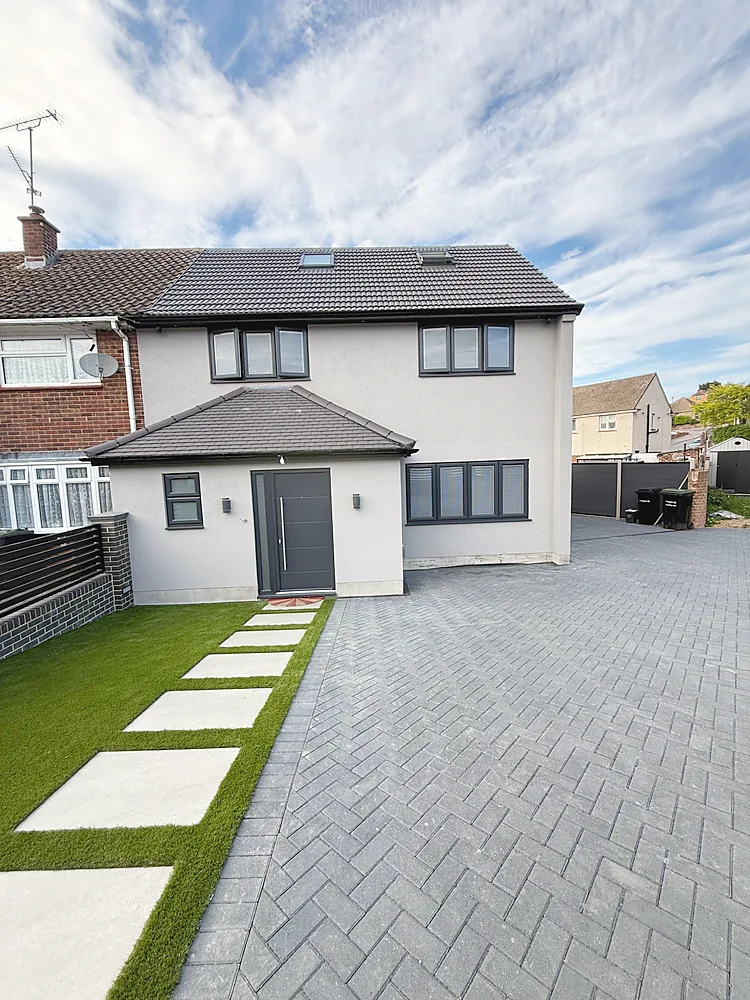
How to Compare Builders’ Quotes: 12 Things to Check Before You Sign
Three builders, three quotes, and the numbers are thousands of pounds apart. It happens on almost every loft conversion, extension and renovation, and the cheapest is rarely the best value once you look at what each one actually includes. Having quoted hundreds of jobs across Waltham Abbey, Cheshunt, Enfield, Chingford, Loughton, Epping and North and East London, here is how to compare quotes properly, what to ask, and the warning signs that should make you walk away.
Why quotes vary so much
Two quotes for the same extension can differ because one includes the skip hire, scaffolding, Building Control fees, structural engineer and decorating and the other leaves them out. They can differ because one specifies the doors, windows, flooring and sanitaryware and the other says allowances to be agreed. And they can differ because one builder has costed the job properly and the other has guessed a number to win it and intends to add extras later. Your job is to put the quotes on the same footing before you compare a single figure.
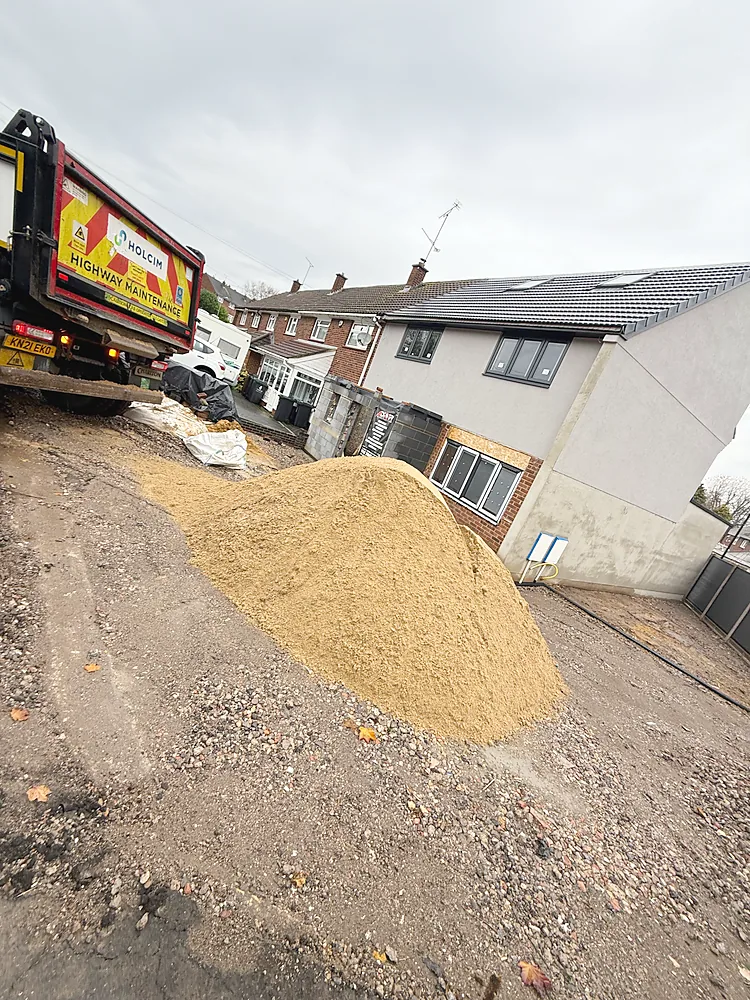
Twelve things to check on every quote
- An itemised breakdown. A single lump sum tells you nothing. You should see the job broken into stages such as demolition, foundations, structure, roof, windows, first fix, plastering, second fix and decorating, each with a figure.
- What is excluded. Look for skips and waste, scaffolding, Building Control and planning fees, the structural engineer, the party wall surveyor, kitchen and bathroom fittings, tiles, flooring and decorating. Anything not mentioned is probably not included.
- Provisional sums and allowances. A quote may allow a fixed amount for tiles or sanitaryware. Check whether the allowance is realistic for what you actually want, and what happens to the difference.
- Specification of materials. Which windows, which insulation, which boards, which paint. The same words can cover very different quality.
- VAT. Is the figure inclusive or exclusive, and is the builder VAT registered? A quote that is silent on VAT can grow by a fifth.
- Payment schedule. Staged payments tied to completed work are normal. A large deposit before anything is delivered to site is not.
- Programme and dates. A start date, an estimated finish date and how long each stage should take.
- Who does the work. Whether the builder has their own team for structure, carpentry, plumbing, electrics and finishing or subcontracts each trade, and who manages the site day to day.
- Insurance. Ask to see the public liability certificate, and check that it is current and covers the value of the work.
- Company checks. Look the company up on Companies House to see how long it has traded and who runs it, and read reviews on Checkatrade, MyBuilder and Google. A trade body listing such as the Federation of Master Builders is another useful sign.
- Approvals and certificates. Who submits the Building Regulations application, who arranges the inspections, and who provides the electrical and gas certificates at the end.
- A written contract. What happens if you change your mind about something, how variations are priced and agreed, and how snagging is handled after completion.
Warning signs
- A quote given on the spot without a proper survey or drawings.
- A price well below the others with no explanation of why.
- Cash only, no VAT, no paperwork.
- Pressure to sign today to hold the price.
- No address, no company number and no reviews you can trace.
- Vague wording such as make good and finish to a high standard with no detail of what that means.
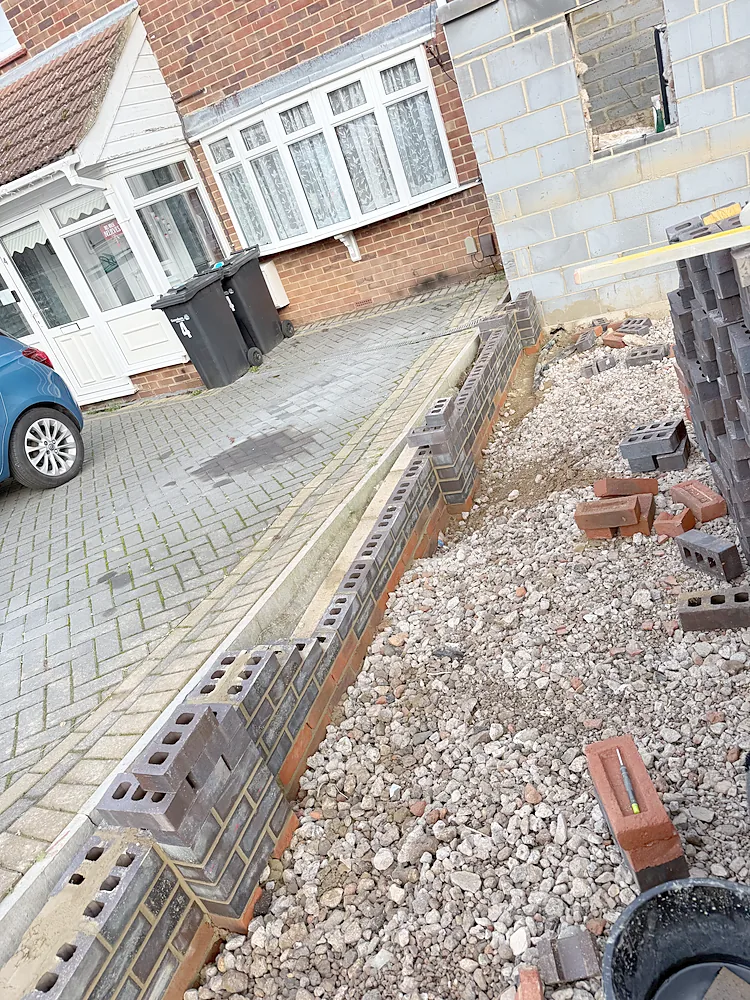
Questions to ask at the survey
- Have you built this type of project before, and can I see photos or speak to a recent client?
- Who will be on site each day, and who do I call if there is a problem?
- What could go wrong on this job, and how would you handle it?
- How do you deal with the neighbours, the party wall and the parking?
- What do you need from me before you can start?
- If I want to change something halfway through, how does that work?
A builder who answers these clearly, explains the trade-offs and is happy to put everything in writing is telling you a lot about how the job will go. Our guide to permitted development rules for extensions and our post on planning permission for loft conversions cover the approvals side in more detail.
Comparing like with like
The simplest way is a table. List every item from the most detailed quote down the side, then go through the other quotes and mark what each one includes, excludes or leaves as an allowance. Add the missing items at a realistic cost. Only then compare the totals. Very often the mid-priced quote turns out to be the cheapest once everything is in, and the cheapest quote the most expensive.
How we quote
Adior Construction Ltd is a family-run building company registered in England and Wales, company number 13068124, based in Waltham Abbey. Every job starts with a free survey, and every quote is a fixed, itemised written document with clear payment stages, a programme and a list of what is and is not included. Our own team covers structure, roofing, carpentry, plumbing, electrics, plastering and decorating, so there is one point of contact from the first visit to the final clean. You can read reviews from homeowners across London on Checkatrade and MyBuilder, see our Federation of Master Builders listing, browse the full list of services and look through completed work in our gallery.
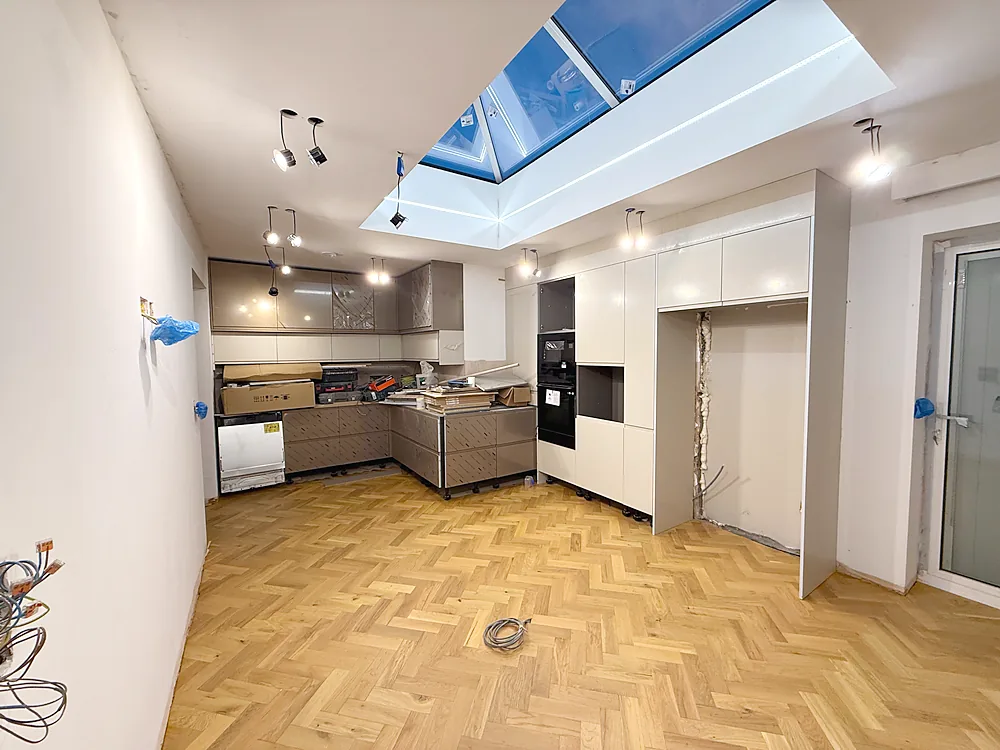
Want a quote you can actually compare?
We survey, design and build loft conversions, extensions, kitchens, bathrooms and full renovations across Waltham Abbey, Cheshunt, Enfield, Chingford, Loughton, Epping and North and East London, and every quote is fixed, itemised and in writing. Call +44 20 3150 0510, email contact@adiorconstruction.co.uk or send us a message for a free survey.
Frequently asked questions
How many quotes should I get for building work?
Three is the usual number. It is enough to see the range without spending weeks on surveys, and it lets you spot a quote that is out of line with the others.
Why are builders’ quotes so different?
Mostly because they include different things. Skips, scaffolding, Building Control fees, the structural engineer, fittings and decorating are often in one quote and out of another. Put every quote on the same footing before comparing totals.
What is the difference between a quote and an estimate?
A quote is a fixed price for a defined scope of work. An estimate is an educated guess that can change. For a significant project, ask for a fixed written quote based on a survey and drawings.
How much deposit should a builder ask for?
Staged payments tied to completed work are normal. Be wary of a large deposit before any work or materials have arrived on site.
Should I always choose the cheapest quote?
No. Check what each quote includes, excludes and allows for. Once the missing items are added, the cheapest quote is often not the cheapest at all, and a price well below the others usually means something has been left out.
What should a good building quote include?
An itemised breakdown by stage, a clear list of exclusions, the specification of materials, whether VAT is included, a payment schedule, a programme with dates, and how changes and snagging are handled.