
Questions to Ask a Builder Before You Hire Them, and the Answers to Listen For
Most building work that goes wrong was going wrong before the first brick was laid: the wrong builder was chosen, and the warning signs were there in the first conversation. A few straight questions at the survey tell you far more than a glossy van or a low price. These are the questions we would ask if we were hiring a builder ourselves, with the answers you want to hear and the ones that should make you think again. Once you have quotes in hand, our guide to comparing builders’ quotes covers what each one should include.
About the business
1. What is your full company name and address?
A limited company has a registration number you can look up for free on Companies House, which shows when it was formed, who the directors are and whether its accounts are filed on time. A sole trader has no register entry, but should still give you a full name and a trading address, not just a mobile number. Be wary of anyone who is vague about where they are based.
2. How many jobs like mine have you done, and can I speak to those clients?
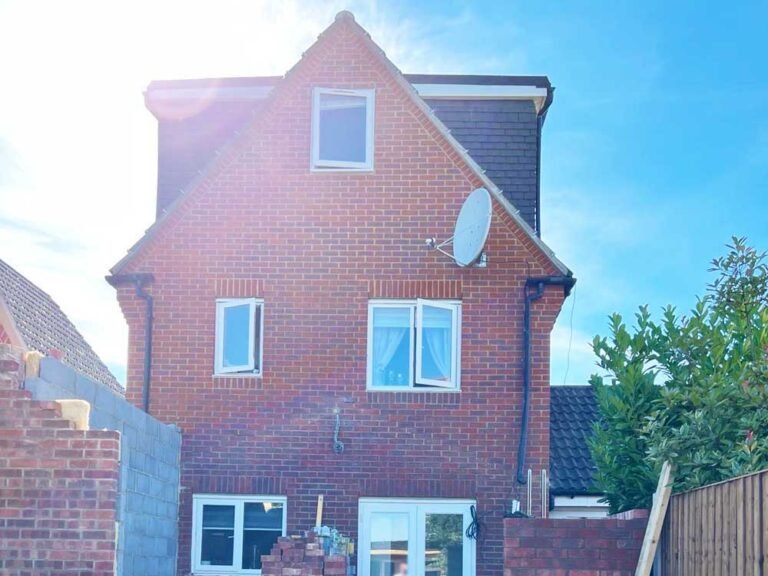
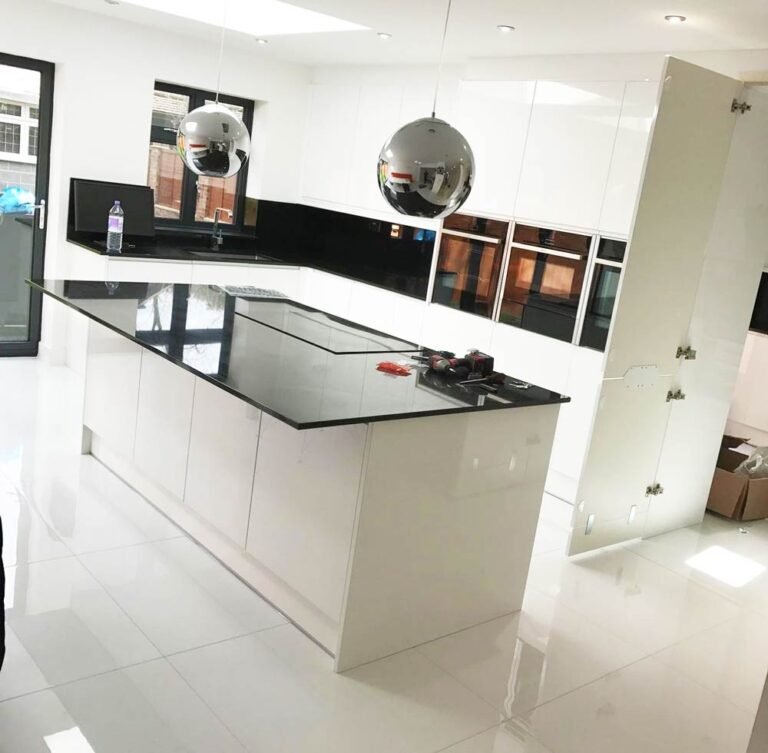
A good kitchen fitter is not automatically a good loft converter, so ask about the specific kind of work you want. Any established builder has photos of finished work and clients who are happy to talk. Reviews on independent platforms such as Checkatrade, MyBuilder and Google are harder to fake than testimonials on a website, and the most useful ones describe how problems were handled, not just the finish. If you can, visit a finished job or one in progress nearby.
3. Are you a member of a trade body?
Membership of the Federation of Master Builders or a TrustMark scheme means the firm has been vetted and signed up to a code of practice. It is not a guarantee of good work, but it gives you somewhere to go if things go wrong. Check the membership on the trade body’s own website rather than trusting a logo.
About insurance and qualifications
4. What insurance do you carry, and can I see the certificate?
Public liability insurance covers damage to your property or injury to others during the work. If the builder employs staff, employers’ liability insurance is a legal requirement. Ask to see the current certificate and check the dates. For larger jobs, ask whether the work is covered by any insurance-backed warranty and exactly what it covers.
5. Who does the gas and electrical work?
Anyone working on gas appliances or pipework must be on the Gas Safe Register; ask for the engineer’s card and check it on the register’s website. New circuits, a new consumer unit and additions to circuits near a bath or shower are notifiable under Part P of the Building Regulations, so they must be done by an electrician registered with a competent person scheme or be inspected by building control. At the end you should receive an electrical installation certificate and a Building Regulations compliance certificate.
6. Who deals with building control, planning and party wall notices?
Extensions, loft conversions, structural alterations and notifiable electrical work need Building Regulations approval, and some need planning permission or a Lawful Development Certificate. Work on or near a shared wall may need Party Wall notices. Ask who applies for each, who pays the fees, and when you will get the completion certificate. Our guides to permitted development for extensions and loft conversion planning permission explain what usually applies.
About the job itself
7. Who will actually be on site, and who is in charge?
Ask whether the person quoting will be running the job, how many people will be on site, and which trades are the builder’s own team and which are subcontracted. Subcontracting is normal; not knowing who is coming is not. You want one named person to call when you have a question.
8. How long will it take, and what could delay it?
An experienced builder gives you a start date, a realistic programme and the points where things commonly slip: material lead times, a stone worktop being templated, weather on a roof, or building control inspections. Be wary of a date that sounds too good, or of anyone who cannot say when they can start.
9. What happens if you find something unexpected?
Rotten joists, old wiring, a hidden drain or asbestos in an older house are all common. A good answer is that the builder stops, shows you the problem, prices the fix in writing and waits for your approval before carrying on. Ask how extras and changes you ask for are priced, and never agree to variations by text alone.

About money and paperwork
10. Will I get a written, itemised quote and a contract?
A quote is a fixed price for a defined scope; an estimate is a guess that can change. You want a written quote that lists what is and is not included, and a simple contract or terms that set out the programme, payment stages and how changes are handled. If the contract is signed at your home, you normally have a 14-day cancellation period under consumer law.
11. How do payments work?
Staged payments tied to completed work are normal: for example, a payment when the foundations are signed off, another at roof level, and so on. A modest payment to secure materials that are made to order is reasonable. A large cash payment before anything has arrived on site is a red flag, as is a builder who will only take cash.
12. What happens at the end?
Ask how snagging works, when the final payment is due, what certificates you will receive and who to call if something goes wrong after the job is finished. You should be handed any building control completion certificate, gas and electrical certificates, and manufacturers’ guarantees for boilers, windows and appliances.
Warning signs
- Knocking on your door to say they noticed a problem with your roof or were working nearby.
- A price for a substantial job given over the phone or without a proper look at the property.
- Pressure to decide today, or a discount that only lasts if you sign now.
- No landline, no address, no company details and no written quote.
- Suggesting you skip building control or planning to save time or money: the problem stays with the house and surfaces when you sell.
- Asking for most of the money up front, or for cash only.
How we answer these questions
We are a family-run company, Adior Construction Ltd, registered in England and Wales under company number 13068124 and based in Waltham Abbey. You can read our reviews on MyBuilder and Checkatrade and find us on the Federation of Master Builders directory. We visit before we quote, put every quote in writing and itemise it, and we are happy to answer every question on this page at the survey. See what we do on our services page and look through finished work in the gallery.
Ready to ask us?
We survey, quote and build loft conversions, extensions, kitchens, bathrooms and full renovations across Waltham Abbey, Cheshunt, Enfield, Chingford, Loughton, Epping and North and East London. Call +44 20 3150 0510, email contact@adiorconstruction.co.uk or send us a message to book a free survey and put your questions to us in person.
Frequently asked questions
What should I ask a builder before hiring them?
Ask for their full company details, similar jobs and references, proof of insurance, who does the gas and electrical work, who handles building control and planning, who will be on site, how long it will take, how unexpected problems and changes are priced, how payments are staged and what paperwork you get at the end.
How do I check a builder is legitimate?
Look the company up on Companies House, read reviews on independent sites such as Checkatrade, MyBuilder and Google, check any trade body membership on the trade body’s own website, ask to see the insurance certificate and speak to at least one past client.
Should a builder have insurance?
Yes. Public liability insurance covers damage to your property and injury to others during the work, and employers’ liability insurance is a legal requirement if the builder employs staff. Ask to see the current certificate.
Does my builder need to be Gas Safe registered?
Anyone who works on gas pipework or appliances must be on the Gas Safe Register. Ask for the engineer’s card and check it on the register’s website before any gas work starts.
Is it normal for a builder to ask for a deposit?
A modest payment to secure made-to-order materials can be reasonable, and staged payments tied to completed work are normal. Be wary of a large deposit before any work or materials have arrived on site, or of a builder who only takes cash.
What paperwork should I get when the job is finished?
A building control completion certificate where the work needed approval, electrical and gas safety certificates for any work done, and manufacturers’ guarantees for items such as boilers, windows and appliances.